Low-Carbon Technologies
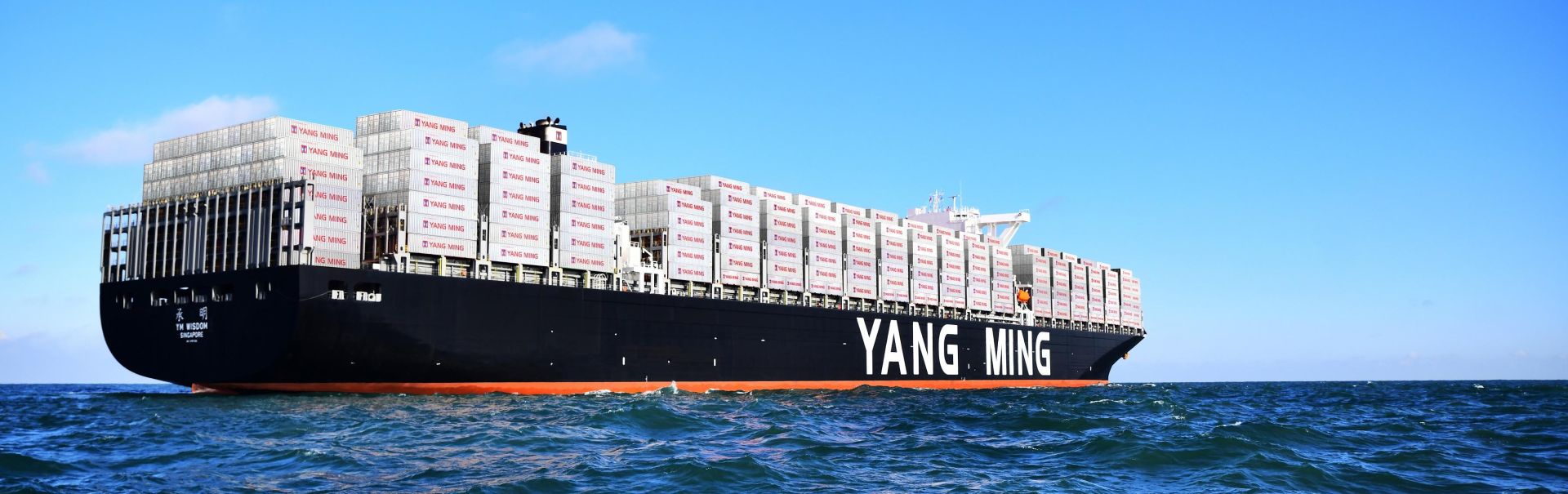
The Company expects to cumulatively invest NT$61.1 billion to NT$67.9 billion in the development of a low-carbon fleet by 2030, including LNG dual-fuel container vessels, dual-fuel-ready container vessels, and container vessels, which are scheduled to be progressively placed into operation between 2026 and 2032. Other initiatives include investing in the installation of shore power systems, collaborating with suppliers to introduce biofuels, and researching the feasibility of alternative fuels. Through fleet renewal, the adoption of alternative fuels, and the development of low-carbon technologies, the Company aims to progressively improve fleet energy efficiency and reduce operational carbon emissions, thereby supporting the Company’s net-zero transition.
The Company plans to develop and invest in a low-carbon fleet by 2030, including:
- Seven 15,000-TEU LNG dual-fuel container vessels, with a transaction value of approximately NT$39.958 billion to NT$44.851 billion.
- Three 8,000-TEU dual-fuel-ready container vessels, with a transaction value of approximately NT$10.828 billion to NT$11.498 billion.
- Three 8,000-TEU container vessels, with a transaction value of approximately NT$10.294 billion to NT$11.554 billion.
In 2025, the Company invested a total of NT$796 million in relevant research and development expenditures for R&D and infrastructure related to the low-carbon transition.
| Low-carbon Investments for Onshore Business Locations |
| Ecological green roof |
- The Company has installed a multi-functional "Ecological Green Roof" on its office building in Taipei. By installing rainwater harvesting and solar energy systems and using plants for carbon fixation, it can bring green into the workplace and the urban environment, achieving a green economy and environmental sustainability.
- Result in 2024:
- Approximately 2,240 kWh of electricity was saved, with annual carbon reduction of approximately 1.0618 metric tons CO2e
- 134 tons of rainwater were recovered, with annual carbon reduction of approximately 0.0142 metric tons CO2e.
- The total annual carbon sequestration by all plants is expected to reach approximately 0.0416 metric tons CO2e
- The headquarters Qidu building rooftop will also install a 9.6 kW solar photovoltaic system and 19.2 kW energy storage equipment, with an expected annual reduction of approximately 3.8201 metric tons CO2e.
|
| Promotion of Renewable Energy Procurement |
- Yang Ming has actively promoted renewable energy procurement since 2023, responding to the Company's renewable energy policy. The Qidu headquarters building and northern, central, and southern operational offices purchased 658 renewable energy certificates in 2024, with 658,000 kWh transferred through green electricity, equivalent to reducing approximately 325.052 metric tons CO2e emissions.
- It is expected to achieve the goal of approximately 30% renewable energy use for daily power supply at onshore office locations in 2025, reducing dependence on traditional energy, and will gradually increase the proportion of renewable energy use annually, implementing Yang Ming's commitment to environmental sustainability.
|
| Transportation and Container Yard Equipment Electrification |
- Official motorcycles use electric motorcycles, official vehicles are gradually being replaced with hybrid vehicles accounting for 17.65%, with each vehicle saving 3 liters of fuel per 100 kilometers compared to traditional vehicles. All official vehicles are expected to save 600 liters annually, reducing approximately 1.4131 metric tons CO2e.
- The new gantry cranes at Keelung Container Yard have been certified by both the American Bureau of Shipping and TÜV Rheinland for energy efficiency and safety. Power can be supplied directly to equipment through power lines, reducing losses that previously occurred when electricity was transmitted through intermediate transformer stations, while reducing average energy consumption per container handling operation. The new gantry cranes consume only one-sixth the electricity of old gantry cranes, saving an average of 98,666 kWh annually, equivalent to reducing 48.8397 metric tons CO2e. The decommissioned diesel rubber-tired gantry cranes can reduce approximately 934.22 million liters of diesel consumption annually, equivalent to reducing 251.3909 metric tons CO2e, totaling approximately 296.0548 metric tons CO2e reduction.
- Loaded container storage area: Yang Ming was the first to place the container pickup lane in the middle of the storage area to shorten the distance that gantry crane trolleys have to move, enhancing pickup efficiency. Loaded containers are placed on both sides of the lane, and container cement and steel-reinforced container pads are used to deal with the rainy weather in Keelung and avoid stacking the containers on the waterlogged ground, effectively reducing the risk of moisture damage to cargo. The area has a storage capacity of 2,160 TEUs, and there are 336 reefer container plugs for import/export and transshipment containers, which effectively expands the service capacity of Yang Ming at Keelung Port.
|